
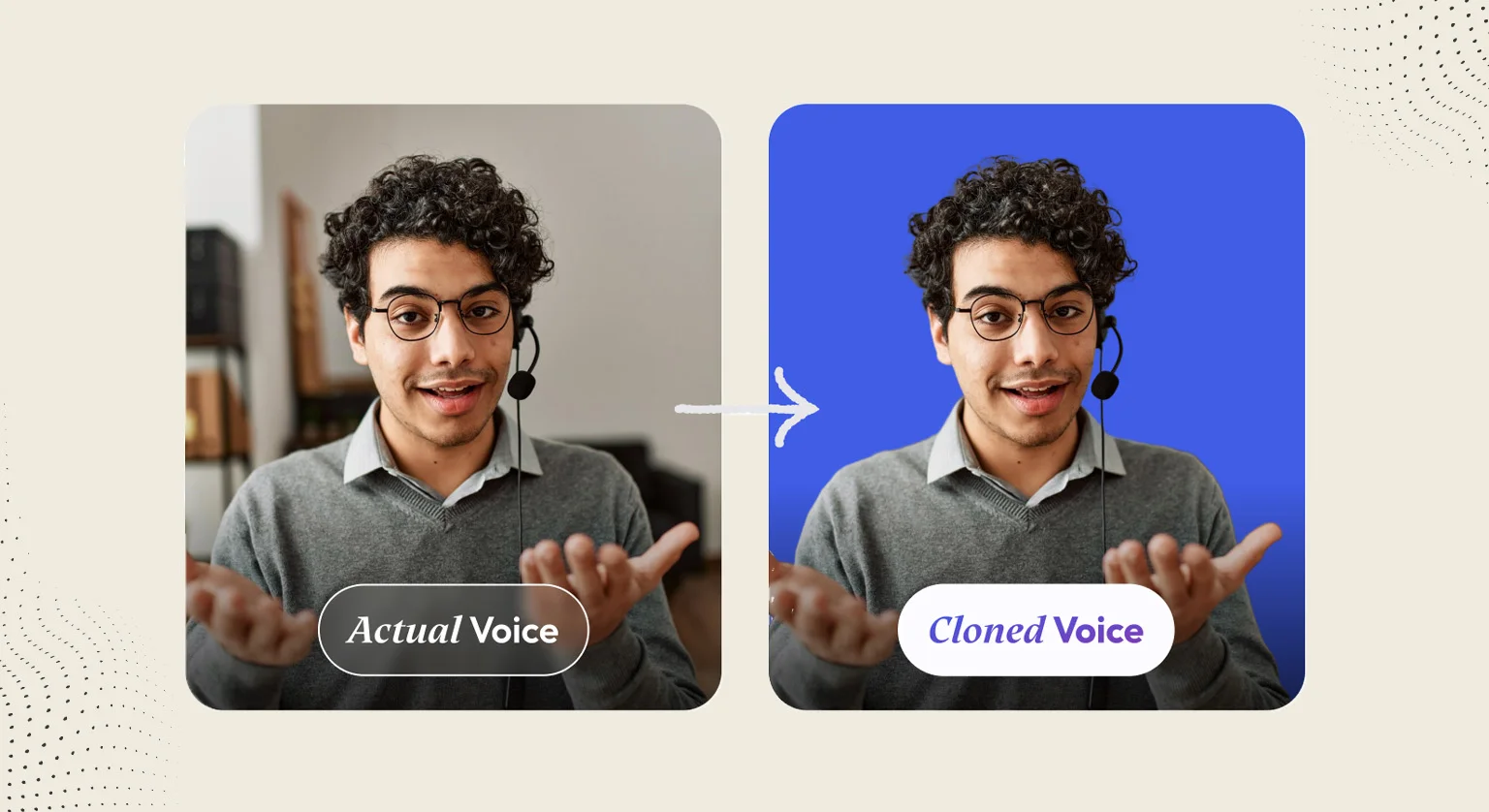
AI cloning is turning a creator’s face, voice and likeness into something that can be licensed separately from their physical time. The commercial opportunity is real, but so is the need to define who owns the clone, who can use it and who approves the final output.
The Economic Times identifies cricketers Hardik Pandya and Shubman Gill among early adopters of AI cloning. Studio Blo separately says it has created an official AI clone of Pandya through FAIMOUS, its celebrity clone-management product. The basic proposition is that a public figure can approve commercial use of a synthetic version of themselves for advertising or branded content without attending every shoot.
FAIMOUS treats the clone as a licensed asset
Studio Blo says FAIMOUS leaves ownership of the synthetic likeness with the celebrity. Brands or agencies can receive access for an agreed period, generate content and submit it for approval, but cannot publish the asset until the talent signs off. The company also says generated assets carry traceable watermarks and identifiers tied to the celebrity and the individual asset.
Sparkonomy is solving a different problem
Sparkonomy’s Open Creator Graph is not a cloning tool. It is a free public identity and consent record that lets creators state how AI systems may use six parts of their identity: name, image, likeness, voice, movement and signature. Each can be marked Allowed, Conditional or Prohibited. A Conditional setting can direct an AI company or brand to obtain consent, including through a payment route, before synthetic use. Sparkonomy says it does not sell creators’ personal data or license identities on their behalf.
Consent is becoming part of the commercial infrastructure
The market opportunity sits beside a fast-growing legal problem. Indian courts have repeatedly granted interim protection against unauthorised commercial use of names, images, voices and likenesses, including AI-generated and deepfake content. In a recent Yuvraj Singh matter, the Delhi High Court restrained unauthorised use of his name, image, voice and likeness through AI and other technologies.
That makes licensing, approval, payment and traceability the real commercial infrastructure around AI clones. TCI has previously looked at the personality rights creators can use when AI copies a face or voice. Clone licensing tackles the same issue earlier, by defining permission before the content is created. Industry estimates cited by ET put India’s celebrity endorsement market at about ₹3,000 crore and influencer marketing at about ₹3,500 crore, but those estimates do not show how much revenue AI-clone licensing is generating yet.