
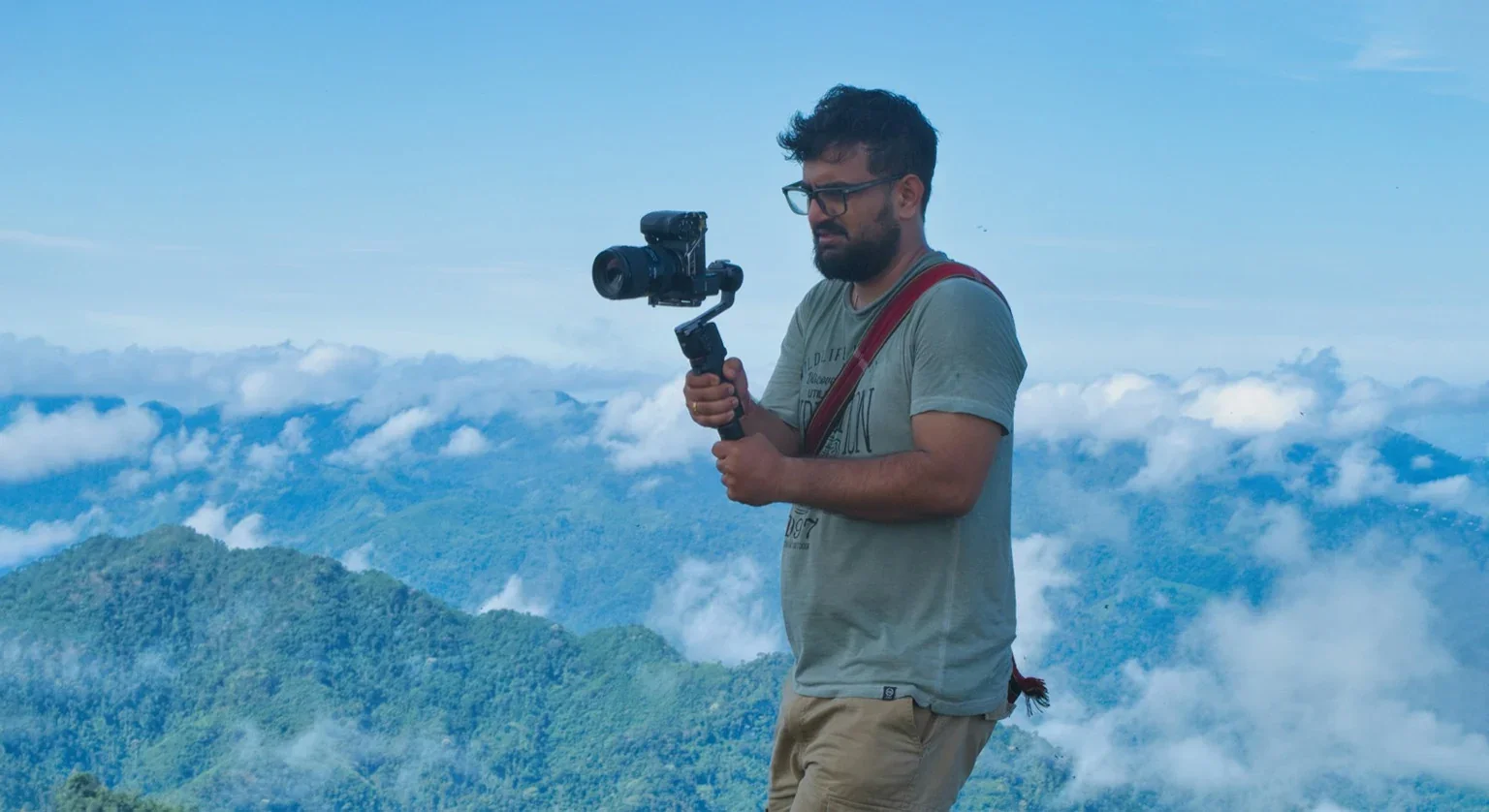
Travel creators do more than document their journeys. Through destination guides, hotel reviews, local food recommendations and immersive travel videos, they influence where audiences go, what they experience and how they spend. For creators, it’s also a way to turn a passion for travel into a career.
- From pandemic pastime to commercial opportunity
- Why travel content attracts audiences
- The business behind the beautiful feed
- Who pays for the travel lifestyle?
- When complimentary stays replace paid work
- When politics and travel advisories change the story
- Can travel influencing provide a sustainable income?
- Beyond a destination
One trip can lead to guides, videos, photos, and brand partnerships. Hotels might give free stays for content, travel companies may pay for campaigns, and affiliate links can bring in commissions. Yet, making a steady income from these is tougher than it looks on social media.
“You don’t earn unless you are super big, and to become super big, especially in the travel domain, you have to invest a lot,” says Ishaan Jha, a Delhi-based travel creator who began making content a little over eight months ago.
“Don’t give up your main source of income unless you are 100% sure,” he advises. His warning highlights a key issue in travel influencing in 2026. There are more chances to create and work with brands, but costs and competition have also grown.
From pandemic pastime to commercial opportunity
Before the pandemic, travel blogs, lists, and photos helped people find new places. In 2020, travel restrictions changed how creators made content and how people viewed it. With trips on hold, many turned to online content to explore from home, and some new creators started building their skills.
According to Qoruz figures, India’s travel influencer base fell from approximately 100,000 between April 2020 and March 2021 to 62,000 in the following year. As travel resumed, the category rebounded, recording 212% growth in 2023 and reaching approximately 324,000 influencers by the end of 2024.
Pamela Mukherjee, a travel creator who started around 2017, remembers the transition from written blogs and photographs to video-led storytelling. During lockdowns, she told TCI, “People with full-time jobs began taking content creation more seriously, while brands increasingly recognised its potential.”

When travel picked up again, collaborations grew. They now include not just free stays for posts, but also paid work, hosted trips, affiliate marketing, and user-generated content (UGC).
The 2025 Creators & Travel Industry Research Report, published by Travel Massive and Stay22, surveyed more than 200 travel creators and providers across 36 countries and found that the industry lacks consistent standards for evaluating collaborations. While some providers prioritise follower counts and others focus on engagement, the report notes that content quality and expertise can be overlooked among creators with fewer than 10,000 followers.
The findings highlight a central tension in travel influencing: smaller creators are encouraged to pitch their skills and storytelling, but their ability to secure paid work may depend on how brands measure value.
Prashant Kumar, co-founder and CEO of zingbus, an intercity bus platform, has observed a similar change. His company’s zingfluencer programme works with emerging creators, including those with around 3,000 followers, offering community activities, travel opportunities, contests and some paid branded assignments.
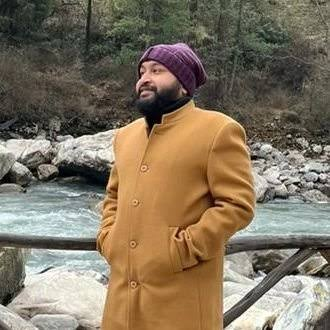
Image credits: Prashant Kumar/X
Since launching in August 2025, the programme’s Instagram following has reached approximately 40,000, Kumar says. Between August 5, 2025, and October 14, 2026, the programme published 841 creator videos, according to company data.
These programmes can help new creators build their portfolios and gain brand experience. But joining in doesn’t always mean getting paid; each assignment offers different opportunities and pay.
Why travel content attracts audiences
Travel content mixes wanderlust with useful tips. A beautiful video might inspire someone to visit, while a guide on where to stay, how to get around, and what it costs can help them actually book a trip.
Google’s India Travel Rewired 2025 research, conducted with Kantar, found that 68% of surveyed Indian travellers used YouTube for travel inspiration, two in five used YouTube Shorts for inspiration, and 41% were highly reliant on influencers during trip planning. The study surveyed 1,000 respondents aged 18–45 and above across metropolitan, Tier 1 and Tier 2 cities in India.
These results show why hotels, travel companies, and tourism partners want to work with travel creators. Their content can present new places and help people decide where to go.
“Gone are the times when people want to see where you are travelling; they want to see where they cannot travel to,” Jha says. He adds that practical content about hotels, stays, commuting and budgets remains popular.
The business value depends on the type of content. Expedia Group Advertising’s Science of Wanderlust study found that 71% of travellers said video influenced their travel choices, while only 24% said the same for photos. The study included 7,000 travellers from seven countries, so it gives a global view, not just an Indian one.
This means creators can focus on many areas, like luxury resorts, international trips, budget travel, road trips, or local experiences. You don’t have to travel abroad every month to grow your audience; a helpful guide to a nearby spot can be just as useful for someone planning a weekend trip.
India’s outbound travel market offers a potentially significant opportunity for travel creators, though remittance data should be interpreted carefully. According to Reserve Bank of India data reported by The Indian Express, travel-related outward remittances under the Liberalised Remittance Scheme (LRS) totalled $16.96 billion in FY 2024–25, marginally down from approximately $17 billion in FY2023–24. The LRS travel category is broader than leisure tourism, encompassing education-related travel expenses such as tuition fees and hostel costs. In March 2026, holiday and other travel accounted for only around 57% of travel-related remittances. This measures travel-related outward remittances under the scheme, not total Indian tourism expenditure or spending generated by creators.
Kumar says zingfluencer considers creators’ interests, existing content and understanding of their audiences. He says someone documenting their hometown or mountain journeys can offer a unique viewpoint without needing a huge following to get started.
The business behind the beautiful feed
Travel creators make money from paid campaigns, affiliate links, UGC, subscriptions, and platform payments. Free stays and sponsored trips help with costs, but they don’t replace real income.
For Bhavjeet Sehgal, a travel and lifestyle creator, paid lifestyle brand collaborations account for a major share of her income. Hotel stays, tourism board partnerships and affiliate links can become additional revenue streams as creators establish themselves, she told TCI.
A 2026 report by Travel Massive and Stay22, based on a survey of 500 travel creators and brands across 56 countries, found that 61% of creators use affiliate marketing to monetise their content, up 15% from 2025. It also reported that 14% of full-time creators earn more than US $75,000 annually.
These worldwide numbers show the different ways creators can earn, but they don’t tell us what most Indian travel creators actually make.
In India, online travel agencies are beginning to formalise the connection between content and bookings. MakeMyTrip launched its Creator Circle in June 2026, while Cleartrip introduced the Cleartrip Creators Club, an affiliate programme that links creator content to bookings. Cleartrip’s model offers commissions tied to actual bookings rather than paying solely for promotional posts. By contrast, MakeMyTrip’s programme rewards approved reels based on performance metrics.
Who pays for the travel lifestyle?
For beginners, the costs usually start out of pocket. Creators commonly pay for flights, lodging, food, local travel, and gear before any brand offers support. Even if a hotel sponsors a stay, it might not cover all travel expenses.
Mukherjee says creators cannot depend on sponsorships for every trip. “A hotel might cover two nights while leaving the creator responsible for flights and other expenses.”
Sehgal similarly describes the early stages as an investment, with creators often funding their own travel until paid collaborations become available.
The work itself is another cost. Researching, planning, filming, editing, and meeting deadlines might turn a short trip into a busy production. Jha says a well-planned week of travel can create a month’s content, but all the work can take away from the fun of travelling.
When complimentary stays replace paid work
As more new creators join, brands have more people willing to create content in exchange for free stays or experiences. For beginners, these barter deals help build a portfolio and make contacts. But for those who want to earn a living, it can make paid work harder to find.
“One major challenge is the growing preference for barter collaborations,” Sehgal says. “While barter works for hobby creators, it becomes difficult for those of us who rely on content creation as a profession. When brands can get content for free, paid budgets often take a hit.”
Mukherjee has observed brands spreading smaller budgets across more creators, partly because some newcomers are willing to accept complimentary experiences instead of payment.
Barter deals aren’t always bad for beginners. The issue is when brands expect all work, regardless of effort or skill, to be unpaid.
Kumar says zingfluencer distinguishes between community participation and selection for paid campaigns. The programme assesses factors including engagement, audience relevance, reach, cost per thousand impressions and the ability to communicate a campaign brief.
Zingbus reported approximately 70.8 million in total reach for the period ending October 14, 2026, and said three creator reels generated 45 million in reach. Kumar notes that impressions, audience response and actual bookings need to be assessed separately.
This difference is important. Lots of views don’t always mean more sales, and having a big audience doesn’t mean everyone is interested in the same place or product.
When politics and travel advisories change the story
Travel content is also shaped by events outside the creator economy. The Maldives offers a striking example of how political tensions can affect destination marketing and travel demand.
In early 2024, a diplomatic row and online boycott campaign followed derogatory remarks by Maldivian officials about India and Indian Prime Minister Narendra Modi. The resulting “Boycott Maldives” movement was not itself an official Indian travel advisory, but it affected travel sentiment. According to Maldives tourism figures reported by Mint, Indian visitor arrivals fell 37% in 2024, from 209,193 in 2023 to 130,805. The Maldives subsequently launched new efforts to attract Indian visitors.
In August 2025, Visit Maldives Corporation launched its “From Tiraṅgā to Turquoise” campaign to attract 200,000 Indian visitors by year-end through influencer collaborations, media familiarisation trips, and other promotional activities. However, the target was not met: the Maldives recorded 131,625 arrivals from India in 2025, achieving approximately 66% of its goal, according to Visit Maldives Corporation’s subsequent reporting.
Can travel influencing provide a sustainable income?
It’s easier than ever to start a travel account with just a phone and internet, but standing out from the crowd is much harder. “It’s super difficult! And the niche has saturated,” Jha says. He argues that discipline and consistent quality matter more than chasing viral posts.
Mukherjee says creators need to treat content creation like a business to go beyond one-off collaborations. This involves approaching brands, offering services like UGC, and building long-term relationships with hotels, airlines, and travel companies. “Building that reputation takes time and may even require a team later,” she adds.
Creators don’t have to travel all the time. They can make guides, itineraries, and hotel reviews using footage they already have. UGC projects can bring in money without a new trip each time, and affiliate marketing can add income when followers book or buy something.
Kumar says zingfluencer is a starting point, not a guarantee of steady work. More assignments depend on the creator’s work, audience, and fit with a campaign. Some partnerships might come up every few months, but not everyone will get paid work all the time.
Mukherjee, who also works full-time in aviation, advises aspiring creators to build their content careers alongside other work rather than relying on them immediately as their sole source of income. She has seen other creators move into other jobs or businesses while continuing to produce content.
Creators agree on one thing: passion gets you started in travel influencing, but good financial planning and a solid business plan are what help you stick with it.
Beyond a destination
Since 2020, travel influencing has become more organised, with set programs for creators and more ways to earn money. Google and Kantar’s research shows that online videos and influencers now play a big role in how Indian travellers plan trips.
But being more visible doesn’t mean you’ll make a steady living. A creator might get a free stay but no payment, get lots of views but no bookings, or spend money on a trip that never leads to a brand deal.
Now, the real question isn’t why people want to be travel creators, but what it takes to keep going. “It’s less about constant travel and more about having a unique voice, building audience trust, and creating a business that lasts between trips,” says Mukherjee.
For new creators, the destination might grab attention, but a lasting career depends on what they build beyond just the trips.