

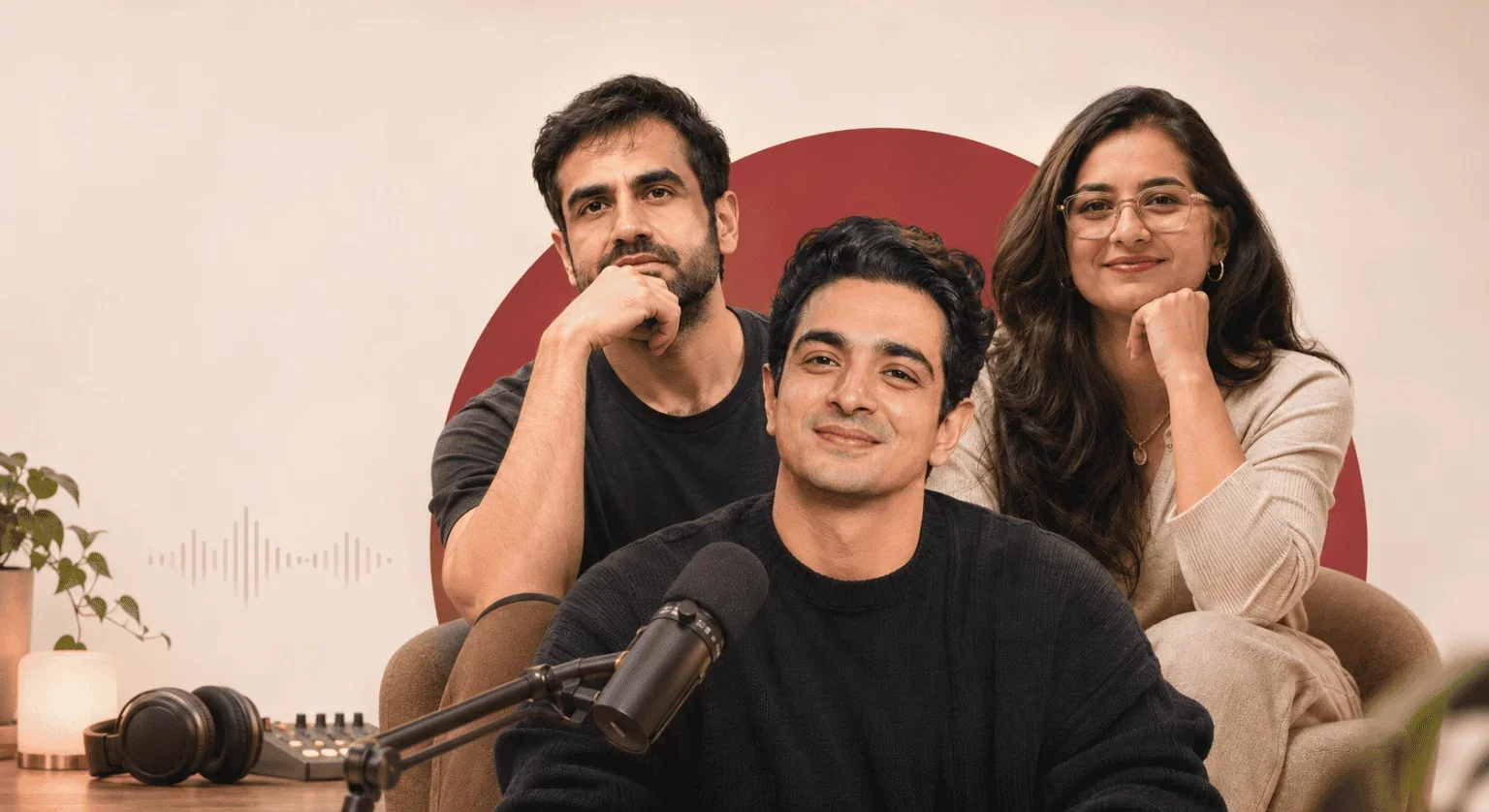
When American entrepreneur and longevity influencer Bryan Johnson walked out of a recording of Nikhil Kamath’s podcast, WTF Is, in early 2025, the incident became a talking point beyond the podcast itself. Johnson said the indoor air quality was affecting him, sparking a wider conversation about pollution. The moment also became India’s No. 1 trending podcast search in Google’s Year in Search 2025.
It also showed how podcasts have moved from a niche audio format into India’s mainstream digital media landscape. Entrepreneurs, journalists, actors, politicians and independent creators have all entered the space. For some, a podcast extends an existing media business. For others, it is a way to build authority, connect with an audience, or develop a new revenue stream.
The growing influence of podcast creators also comes with greater scrutiny. Ranveer Allahbadia, one of India’s most visible podcasters, found himself at the centre of a nationwide controversy in 2025 after his remarks on Samay Raina’s India’s Got Latent triggered public backlash and legal complaints. The incident brought creator accountability, content moderation, and brand reputation into focus. Allahbadia’s inclusion among Google’s top trending personalities of 2025 also reflected how podcast hosts are increasingly becoming mainstream digital personalities, with influence extending well beyond their shows.
But launching a show is only the beginning. Behind the polished sets and high-profile interviews are production costs, the difficulty of attracting regular viewers, and the uncertainty of whether a podcast will ever become financially viable.
From lockdown project to crowded marketplace
The pandemic boosted podcasting as creators looked for ways to keep conversations going remotely. Recording at home and interviewing guests online made the format accessible to people without traditional studio infrastructure.
Since then, podcast production has become increasingly professional. Multi-camera recordings, dedicated editing teams and promotional clips for social media are now common. As more established personalities enter the space, expectations around production quality and guest profiles have also risen.
The audience opportunity is substantial. PwC’s Global Entertainment & Media Outlook 2025–29: India perspective estimated that India had 177 million monthly podcast listeners in 2024, up from 154 million in 2023. The figure is projected to reach 267 million by 2029. However, podcast advertising revenue stood at just over US$39 million in 2024.
The contrast between audience growth and advertising revenue points to a central challenge: a large potential audience does not automatically translate into income for individual creators.



Google Trends data for India from January 2020 to October 2026 also points to growing interest in the format. Search interest for “podcast” rose from an average of 35.3 in 2020 to 67 in 2025. Between January and September 2026, the average stood at 80.3, approximately 28% higher than the corresponding period in 2025.
These figures represent search interest rather than absolute search volumes. They suggest that public interest in podcasting has grown, even as the market becomes more competitive. For creators, the challenge is turning that interest into a regular audience and giving listeners a reason to choose their show over the many others competing for attention.
The problem of being discovered
Ayushi Mona Singh, a podcaster and marketing professor, started a literary podcast during the pandemic. Her show grew out of Broke Bibliophiles Bombay Chapter, a reading community that needed a new way to connect during COVID-19.
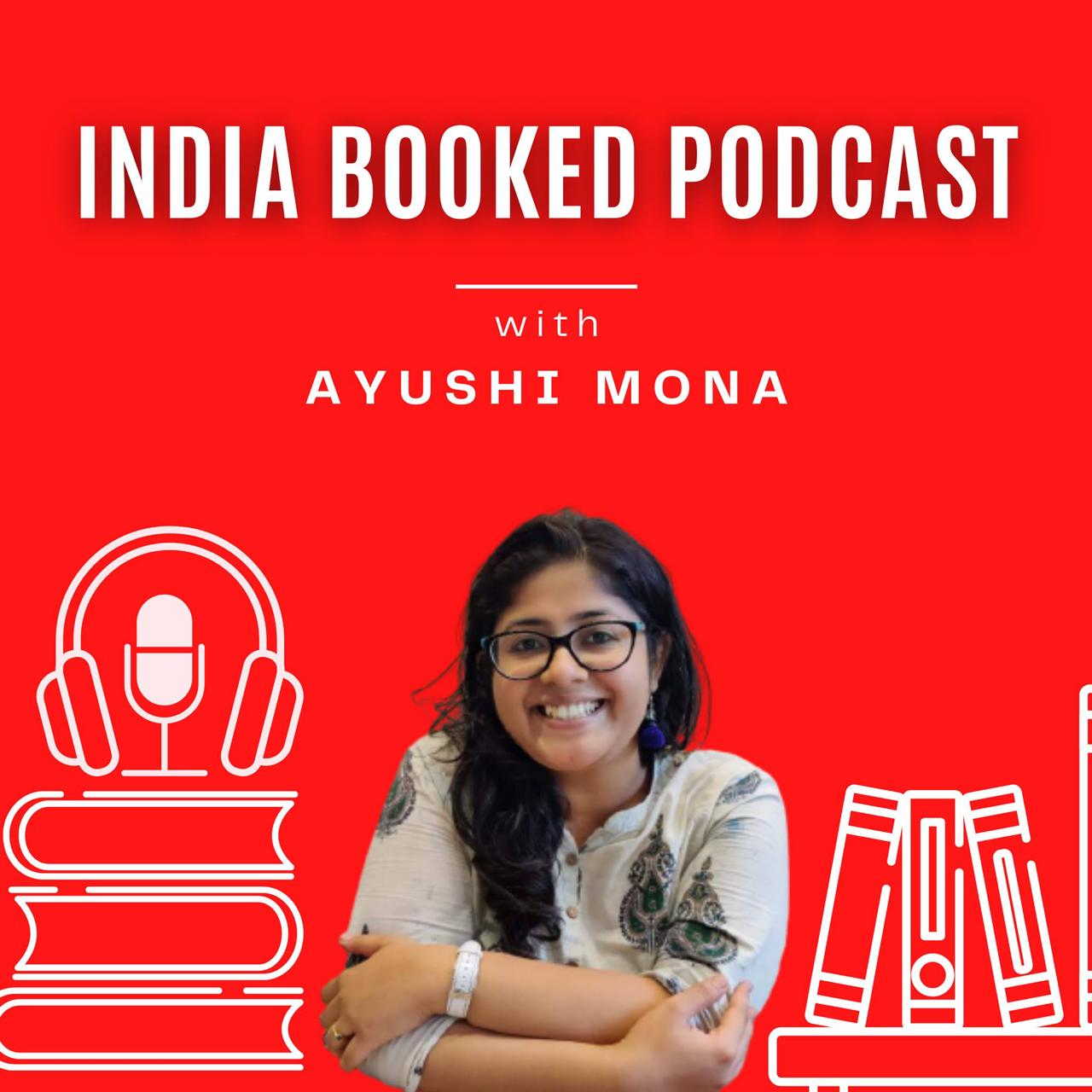
“I learnt that building a podcast is genuinely hard simply because podcasts are not built for discovery,” Singh told TCI.
She believes having an interesting idea is not enough. Creators also need to understand distribution, visibility and how to make conversations valuable to an audience. Her literary podcast drew on years of running a reading group and reading thousands of books, giving her a defined subject and perspective.
The challenge is particularly visible in interview-led formats, where entrepreneurs, celebrities and public figures already dominate the space.
Shashi Bhushan, a video editor at Kuku FM, has seen this challenge firsthand. The client podcast Who’s on Air with Kamlksh Shetty was discontinued after struggling to attract YouTube views.
For Bhushan, an interesting guest or subject cannot compensate for a host who fails to hold the audience’s attention. The conversation itself needs to be engaging.
Personality-led shows such as Cyrus Says and Unfiltered by Samdish demonstrate how a host’s humour, curiosity and interviewing style can become central to a show’s identity.
Ekant Babani, a former podcaster and creative director who founded Alligator Media, took a different approach. His show focused on people working behind the scenes in the film industry, including managers, bodyguards, makeup artists, costume stylists and studio heads.
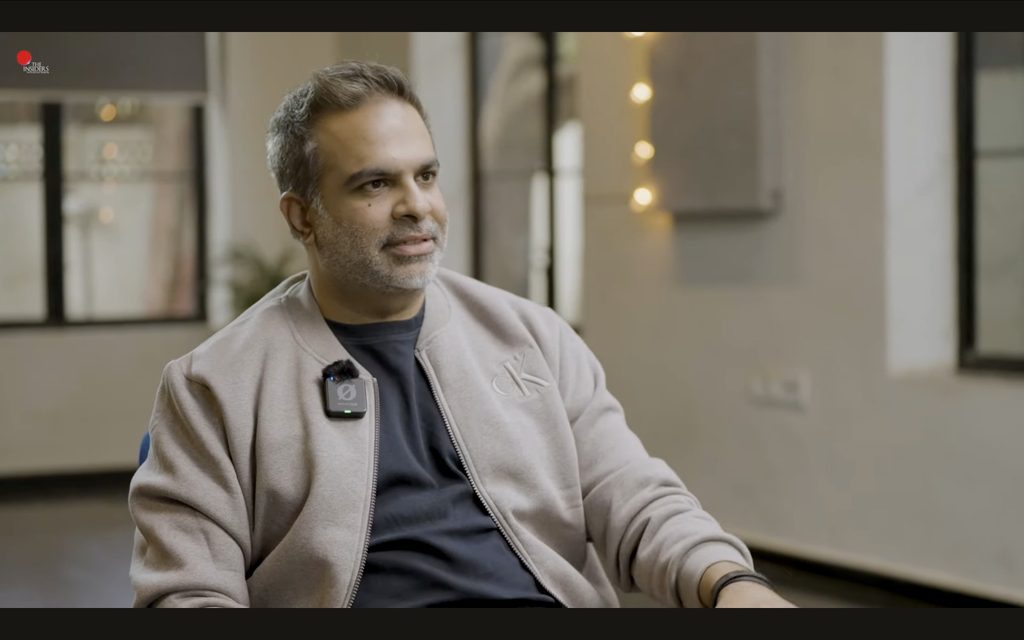
The idea was to highlight professionals whose contributions often go unnoticed. Despite positive feedback and plans for more episodes, the show eventually ended when funding ran out.
His experience points to two separate requirements for independent podcasts: a distinctive editorial idea and the resources to sustain it.
Cut-out clips are also helping audiences discover long-form shows
For many creators, a podcast’s reach now depends on more than its full-length episodes. Short videos featuring strong opinions, surprising facts or memorable exchanges are often the first point of contact for potential listeners.
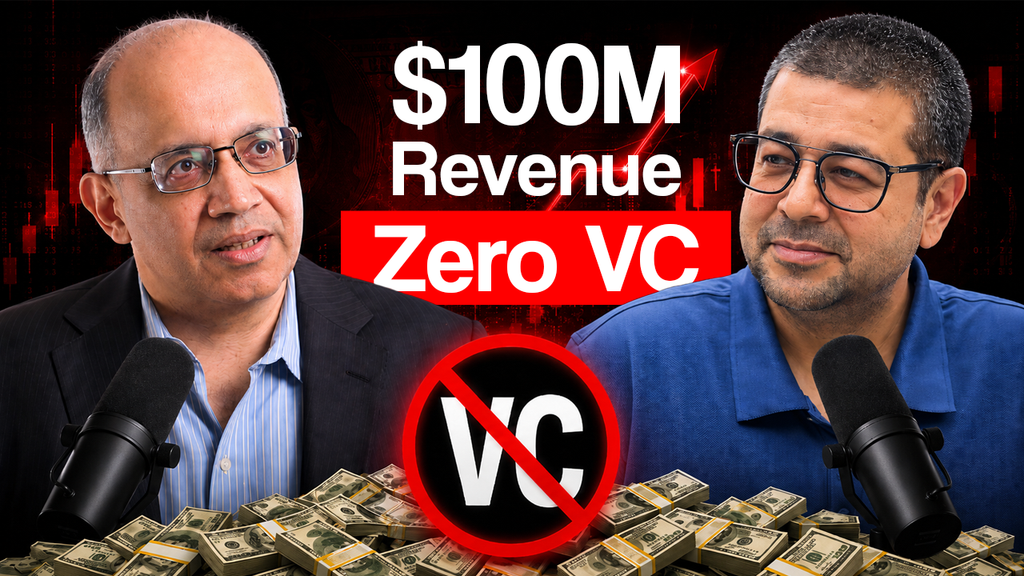
Akshay Datt, founder of Founder Thesis, which interviews entrepreneurs and venture capitalists, believes creators should pay close attention to short-form distribution.
“Yes, they are more important than the quality of your full episode,” he said about short-form clips. “You should invest more in Shorts than in your full episode.”
Datt says Founder Thesis has accumulated approximately 1.25 million YouTube views and 350,000 audio downloads, based on his own figures. He sees short clips as an important discovery tool for a longer conversation.
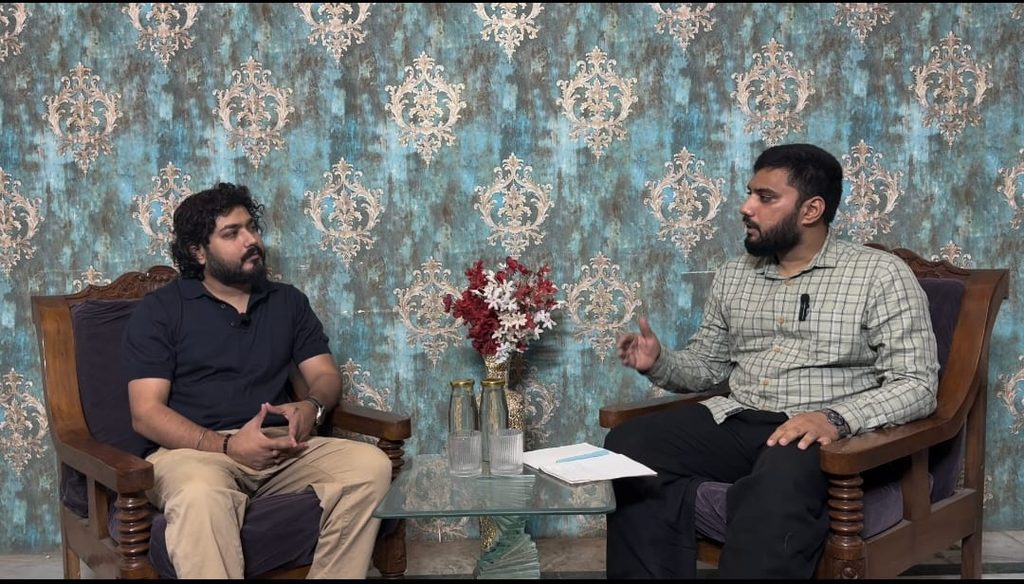
Mohammad Talha, who runs The Social Work Diaries, also uses short clips to draw viewers into his half-hour podcast episodes. “The majority of the audience gets interested in reels and shorts, so they go to the full podcast,” he told TCI.
For Talha, short-form videos are not just promotional extras; they are a discovery tool that can turn casual scrollers into podcast viewers.
For Gauri Joshi, founder of NeUp, short-form video has become central to podcast distribution. “The podcast boom is now replaced with the Shorts boom,” she said.
Joshi shared that NeUp’s Shorts had attracted as many as 60,000 views, compared with up to 13,000 for a long-form episode. However, the channel’s YouTube Studio data also showed that 1,139 of its 1,588 total watch hours came from viewers who discovered full episodes through YouTube’s Browse and Suggested videos.
The distinction matters. A short clip can generate views, but those views do not necessarily translate into full-episode consumption or a loyal audience.

The cost of keeping the cameras running
As podcast production becomes more sophisticated, so does its cost. Studio rentals, cameras, lighting, editing, research, and guest coordination all require time and money.
Varesh Chaudhary, senior manager at Cellar Door Studios, says demand for podcast studios has grown as businesses and independent creators adopt the format. Depending on the setup and production requirements, he estimates costs can range from approximately ₹3,000 an hour to ₹1 lakh–₹3 lakh for more elaborate productions.
But investing in a studio does not guarantee an audience. Chaudhary says some first-time creators arrive without a clear plan and abandon their shows after three or four episodes when they fail to see quick results. For independent creators without sponsors or an established business, the financial pressure can be greater.
Singh produced her literary podcast independently, while Babani self-funded his film industry show. Babani estimates that an independent podcast might need around 40 episodes or close to a million cumulative views before attracting a suitable brand partnership. His show did not reach that point before funding ran out.
The result is a difficult cycle: creators need resources to produce and promote a show, but brands often won’t invest until they have an established audience.
When views do not translate into money
For Datt, building an audience and building a business are two different things. Despite Founder Thesis attracting viewers and audio listeners, he says the show itself has not generated significant revenue. “YouTube monetisation is there, but it’s irrelevant,” he said.
Attempts to charge guests for appearing on the podcast also did not work. Instead, Datt established a podcast agency that produces shows for businesses, including a venture capital fund, a fintech company, and an enterprise AI lab.
For these clients, the objective is not necessarily to earn advertising revenue from each episode. Podcasts are used for brand-building, thought leadership, and business development.
Rishabh Juyal, podcast operations manager at the Neha Nagar Show, identifies several potential revenue streams, including YouTube earnings, sponsorships, paid podcasts and offline events.
He says production budgets can range from ₹10,000–₹30,000 to about ₹3 lakh, depending on a project’s scale and requirements.
The budget differences reflect how varied podcast businesses can be. An independent creator producing a niche show operates very differently from a company funding a professionally produced series as part of its marketing strategy.
Chaudhary has also noticed a slowdown in corporate bookings at Cellar Door Studios over the preceding six or seven months. He believes some companies may be reconsidering their spending when podcasts do not deliver the expected results.
For creators and businesses alike, the first step is understanding what success should look like. Audience growth, brand recognition, leads, and direct revenue are different outcomes, and a podcast doesn’t need to achieve all of them.
What separates podcasts that last?
Not every podcast is built to make money directly. Some aim to entertain a broad audience, while others establish a host’s expertise, serve a niche community or support a larger media business.
NeUp, founded by Joshi in 2024, began as a news-interest project before expanding into virtual interviews, studio conversations, events and themed series. Joshi says funding remains a challenge, particularly because she has had to finance much of the project herself. Her experience highlights how hard it is to sustain a podcast while experimenting with different formats and partnerships.
Established creator-led brands offer another perspective on audience retention.
Figuring Out, hosted by Raj Shamani, features long conversations with entrepreneurs, public figures, creators and experts. Its focus on business, leadership, finance, culture and personal development gives the show a recognisable editorial direction.
Think School, meanwhile, takes a research-led approach through business case studies and explainers. Its storytelling makes complex subjects accessible, while its broader mix of documentaries, podcasts and educational content extends beyond a single format.
Emerging creators do not need to replicate these shows. They need to understand what their own audience expects and deliver it consistently. A personality-led podcast depends on engaging conversations; a research-driven show needs strong reporting, a clear argument and compelling storytelling.
Podcasting is a medium, not a shortcut
Datt advises aspiring podcasters to start with a genuine interest in conversations rather than expecting quick returns. Building an audience and earning money can take years, if it happens at all.
The creators interviewed for this story have taken different routes into podcasting. Some have built shows around professional expertise, others around niche interests or business objectives. Their experiences suggest there is no single formula for success.
India’s podcast audience is growing, but sustaining a show requires more than an interesting guest or an expensive studio. Creators need a clear editorial identity, a distribution strategy and a realistic plan for funding production.
The podcast boom may have made starting a show more accessible. The harder question is which creators can afford to keep going long enough to build something lasting.