
For creators, the first few hours after publishing a video where they see a slow start or a weak response from subscribers can often feel like a sign that YouTube has stopped recommending the upload. Todd Beaupré, YouTube’s Senior Director of Growth and Discovery, says creators are giving those early numbers too much power.
- YouTube builds recommendations for the viewer
- Subscribers and the first hour is less important than creators think
- CTR and watch time do not tell the full story
- One channel can carry Shorts, podcasts and long-form videos
- Why unrelated videos appear in Suggested traffic
- The useful lesson for YouTube creators
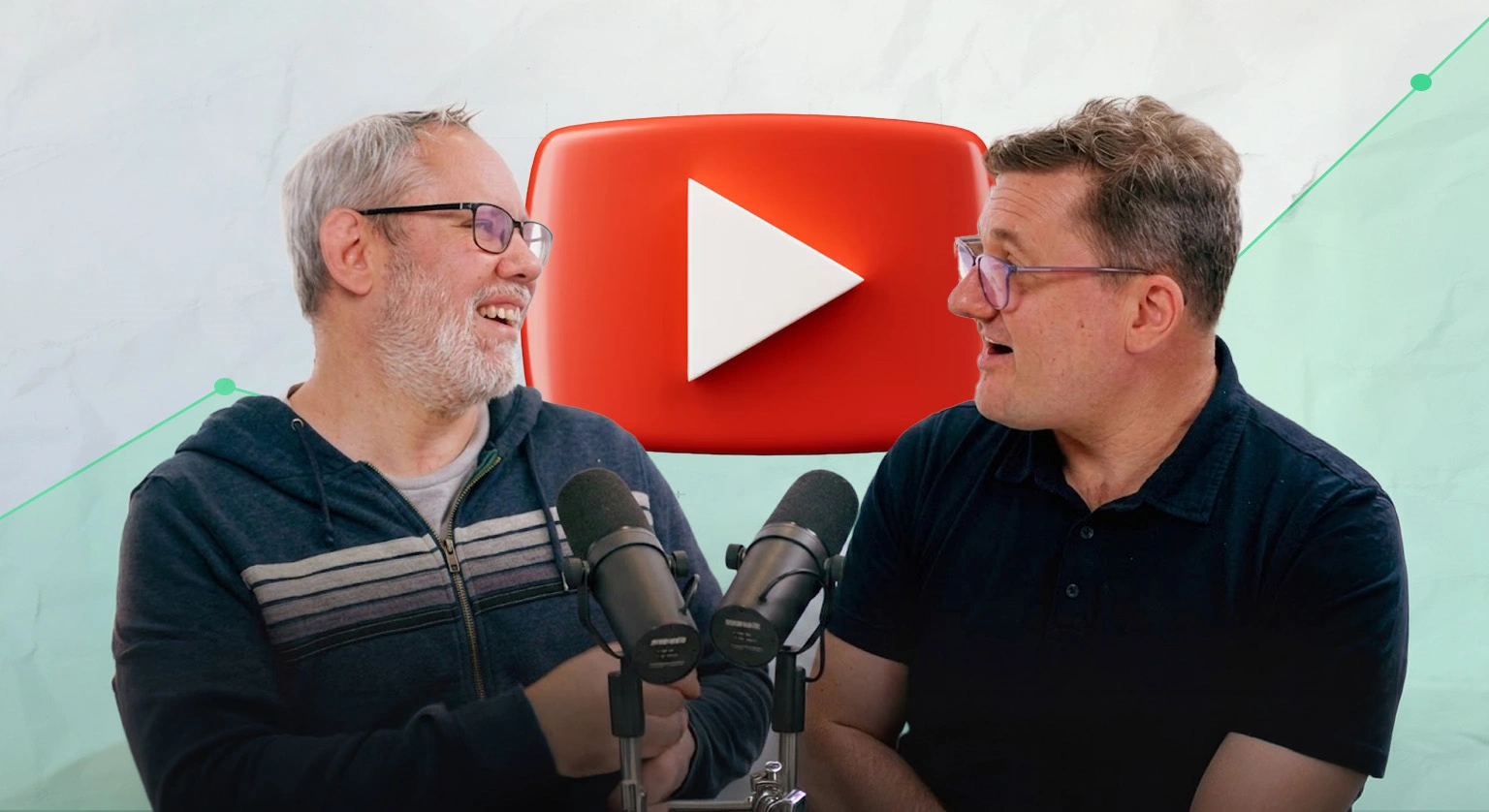
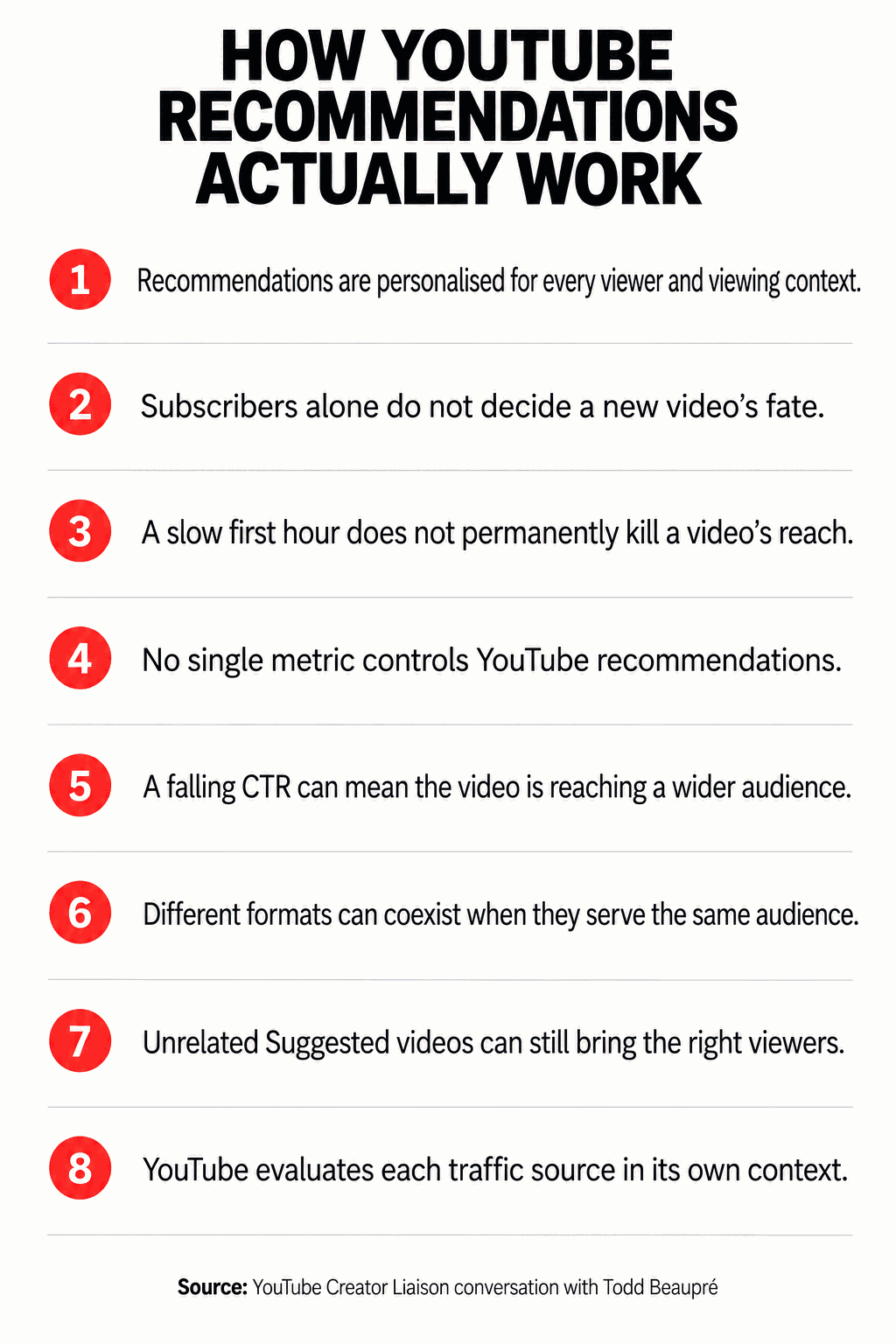
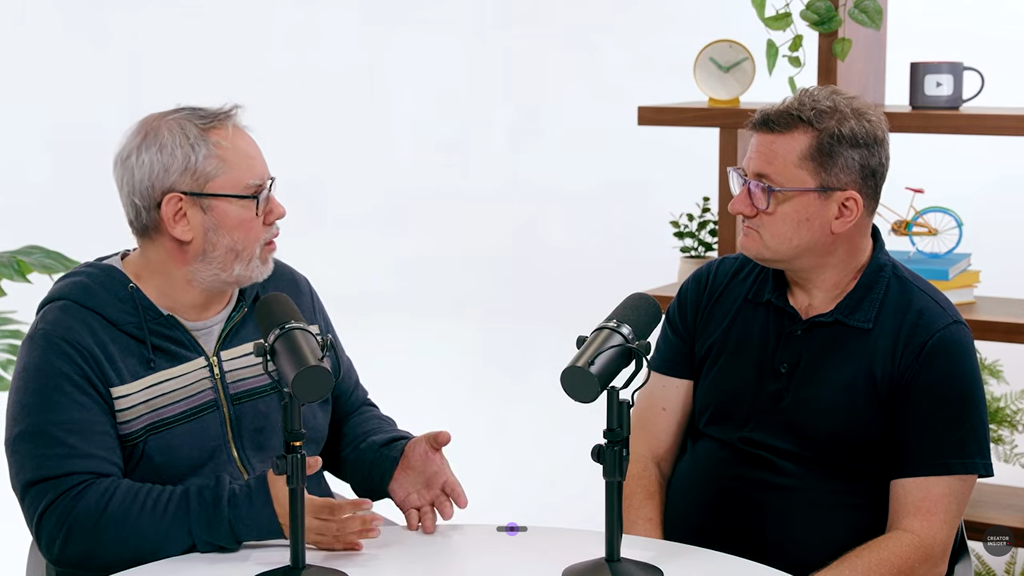
In a conversation with YouTube Creator Liaison Rene Ritchie, he explained that recommendations are rebuilt for each viewer whenever they open the platform. A video does not receive one permanent score that determines how far it can travel.
The article below gives you a gist of how the YouTube recommendation algorithm actually works.
YouTube builds recommendations for the viewer
When someone opens YouTube, the system looks at that viewer’s watch history, interests, device and current context and collects possible videos and ranks them for that session.
A person checking YouTube on a phone during the day may be ready for a short video. The same person might choose an hour-long documentary on television later that evening. Beaupré said YouTube wants to become better at recognising those habits, including when a viewer repeatedly ignores a video because the timing is wrong. Millions of viewers open YouTube, and the platform decides what each of them is most likely to value at that moment.
YouTube’s own guidance says its recommendation system works towards two goals: helping people find videos they want to watch and keeping them satisfied with the platform over time. Clicks matter, but a click that ends in disappointment does little for that longer-term goal.
This is also why long-form video and Shorts can grow at the same time. Short-form videos reduce the effort of choosing what to watch next. On television, viewers may prefer a longer video or series because they do not want to reach for the remote every few minutes. YouTube is responding to those viewing patterns.
Subscribers and the first hour is less important than creators think
A persistent theory says YouTube first sends a new video to subscribers, measures their response and then decides whether anyone else should see it. Beaupré rejected that simplified sequence.


People with a strong history of watching the channel or topic may see a new upload on the top of their homepage. They are still only one part of the early audience. Beaupré said videos can reach people who have never watched the channel within the first hour, and some channels receive most of their views from non-subscribers. There’s also the fact that if subscribers show limited interest but first-time viewers respond well, the weaker subscriber response does not become a verdict for everyone else.
That makes subscriber count a poor proxy for an active audience. YouTube’s audience guidance says viewers are commonly subscribed to many channels and may skip most new uploads. Its new, casual and regular viewer categories give creators a more useful picture of who is actually returning.
Beaupré said creators may find click-through rates of around 10% or lower in the subscriptions feed. These are people who deliberately subscribed and opened the feed, yet most will still pass over any individual upload. To put simply, YouTube continues collecting new signals instead of closing the door after the first hour.
CTR and watch time do not tell the full story
There is no single metric creators can optimise to secure recommendations as YouTube considers clicks, watch time, retention, likes, dislikes, comments and satisfaction surveys. The value of each signal can vary by viewer and device.
A video may begin with a high CTR among core viewers but as YouTube offers it to a broader audience, fewer people may choose it and the percentage falls. The video can still be growing quickly but in that situation, a lower CTR reflects wider testing rather than collapsing interest.
Similarly, watching five minutes of a five-minute video is different from watching five minutes of a two-hour interview. A lengthy viewing session can also end badly if the video holds back a promised answer and never delivers it.
This is where satisfaction surveys add information that viewing time cannot. YouTube has spent years moving away from raw clicks as its main measure. The company has previously said it began incorporating likes, dislikes, surveys and what it calls ‘time well spent’ after misleading clickbait became a problem on the platform.
For creators, comparison may be their best bet. Put videos of similar length and purpose beside one another and check where viewers leave, whether the thumbnail attracts the intended audience and what viewers say after watching.
One channel can carry Shorts, podcasts and long-form videos
Creators do not have to separate every format into a different channel. Beaupré said YouTube can see when a viewer watches only a channel’s Shorts, only its long videos or a mixture of both, and adjust recommendations for that person. If a podcast, Short and long-form series serve the same viewers, one channel may give the audience a clearer home. Separate channels become useful when the subjects attract different people or promise a very different experience.
Creators also need to allow time for a new subject to take hold. The audience has to recognise the creator in that area, and the creator has to learn what works. One unsuccessful experiment does not permanently redefine the channel. YouTube says fresh performance data is used for each video, although repeatedly publishing work that viewers ignore can affect the channel over time.
Why unrelated videos appear in Suggested traffic
The ‘content suggesting this video’ report often alarms creators. A business video may receive traffic from entertainment, sport or cooking, leading the creator to think YouTube has found the wrong audience. Suggested traffic is shaped by people as well as subjects. A viewer can watch a recipe, move to a football video and then choose a creator-business interview. The videos look unrelated on the analytics screen, but they belong to the same person’s interests.
Beaupré added that the watch page is the biggest source of viewing for videos from channels people subscribe to. Viewers are more likely to encounter a familiar creator beside another video than visit the subscriptions feed to check every upload.
A person opening an embedded video or following a link from a friend may behave differently from someone who sees the thumbnail on the homepage. Beaupré said homepage performance is more useful when YouTube is choosing what to rank on the homepage. Creators therefore gain little by disabling embeds or withholding subscriber notifications in an attempt to protect retention.
For a new channel with no viewer history, YouTube uses other clues, including the topic and the interests of people with similar viewing habits. The first audience provides fresh information. When the match works, recommendations can build from there.
The useful lesson for YouTube creators
Beaupré’s explanation does not offer a trick for gaining reach, but a better way to diagnose a video.
A weak subscriber response may mean the topic appealed to a different audience. A falling CTR may show that YouTube has moved beyond the channel’s core viewers. An unexpected suggested video may have brought exactly the right person across from another interest. And a slow first day may say very little about an evergreen video’s eventual life.
Creators still have to make choices the algorithm cannot make for them: who a video is for, why that person should click, whether the opening earns their attention and whether the rest of the video fulfils the promise.
The numbers become more useful once they are tied to those choices. For most creators, that is a better use of YouTube Analytics than looking for one score that decides whether a video has won or lost.