From August 24, YouTube will count a view as soon as a video starts playing, giving creators a broader measure of exposure while keeping deeper engagement metrics central to performance and monetisation.
The update changes what YouTube’s public view count represents. For creators and advertisers, that makes the top-line number more useful as a measure of reach, but less useful on its own as proof that viewers stayed or paid attention. YouTube says creator earnings and YouTube Partner Program eligibility will not change.
What’s changing?
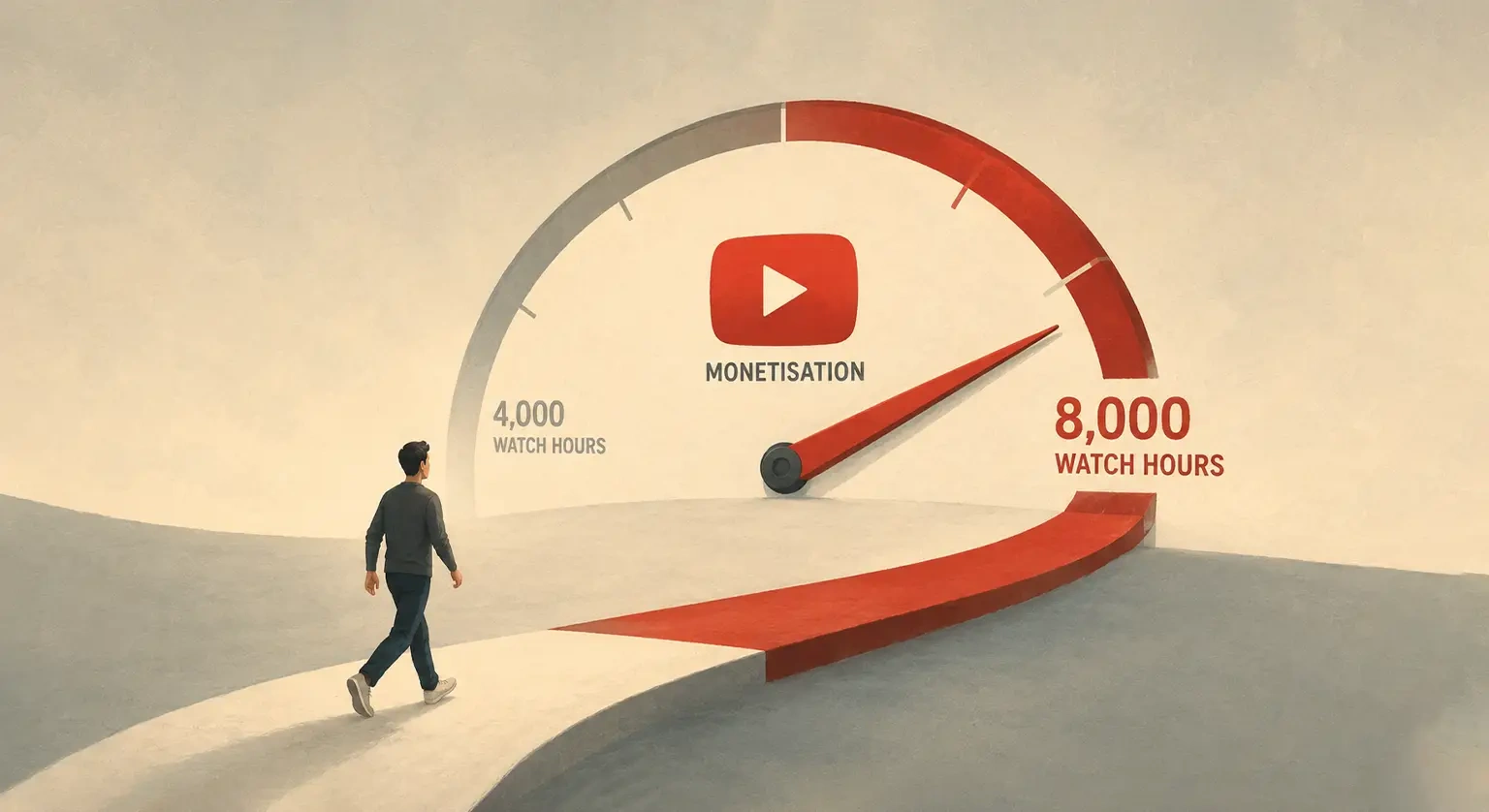
From August 24, a public view will be counted as soon as playback starts, with no minimum watch-time requirement for that top-line number. Creators may therefore see view counts rise faster, including when viewers start a video but leave soon after. YouTube will retain its previous counting method as an “engaged views” metric in Analytics, creating a clearer distinction between exposure and actual viewing. Think of the new view count as footfall: it shows how many people came through the door, while engaged views and watch time show who stayed.
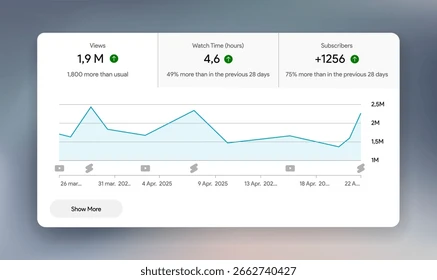
What does it mean for creators and advertisers?
For creators, the distinction is between being seen and being watched. A higher public view count will show broader exposure, while watch time, retention, and engaged views will show whether viewers actually stayed with the content. Those deeper signals will remain more useful for judging performance and monetisation.
What should creators do next?
Creators should treat August 24 as a measurement change, not a sudden growth event. Historical view benchmarks may no longer be directly comparable, so future reporting should pair total views with engaged views, watch time, and retention.