Somewhere right now, a YouTuber may be refreshing the Earn page in YouTube Studio and watching a number go upward: 3,742 hours out of 4,000. Simply because for years, 4,000 watch hours has been the line that mattered. Reach it within 12 months, get 1,000 subscribers, pass YouTube’s review, and advertising revenue becomes available.
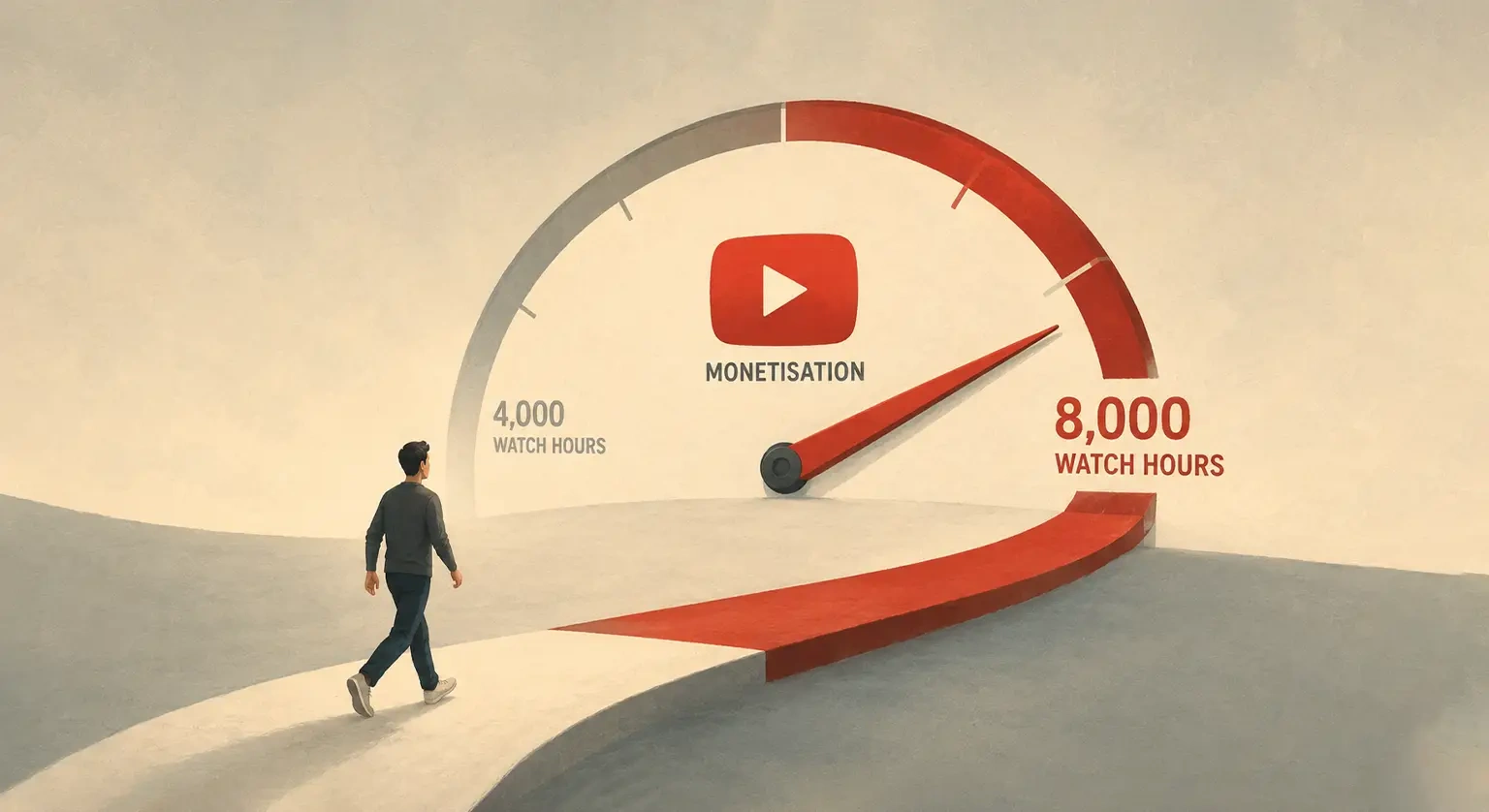
On February 1, 2027, that line will move to 8,000 hours for new creators. The alternative route through Shorts also doubles, from 10 million qualified views in 90 days to 20 million. The subscriber target stays at 1,000.
The higher figures are already the headline, but the question is what YouTube is trying to measure with the new update. Its recent moves point to a platform that cares a lot about repeat viewing, longer sessions, and audiences that can support several kinds of income. A sudden viral hit still helps, but a channel that people return to is worth far more.
First, who actually faces the new rules?
The 8,000-hour and 20-million-view targets apply to new creators seeking advertising and YouTube Premium revenue sharing. YouTube says channels already in the Partner Program will keep their status when the entry rules change. The full details appear in YouTube’s 2027 policy notice.
Shorts income has a separate condition wherein from February, a creator must have 20 million qualified Shorts views during the preceding 90 days to receive a monthly payment from the general Shorts Creator Pool. Missing that target does not switch off the whole channel and long-form advertising, shopping, memberships and other eligible earnings can continue.
Existing partners face much lower activity rules based on watch time, Shorts views or regular uploads. YouTube also provides a 90-day restoration window in certain cases.
What does 8000 hours actually look like?
Here comes the math: Start with 480,000, which is 8,000 hours expressed in minutes. Divide that by a channel’s average view duration and a rough view target appears.
A weekly uploader averaging eight minutes per view would need roughly 1,150 views across each of 52 videos to reach 8,000 hours if the views landed evenly, though real channels rarely work that cleanly. Older uploads have more time to gather views, and one strong search result can end up carrying several weaker releases alongside it.

Livestreaming opens a separate route entirely. A two-hour public stream averaging 100 simultaneous viewers generates roughly 200 watch hours, so forty streams at that level clear 8,000 hours before replay viewing is even added.
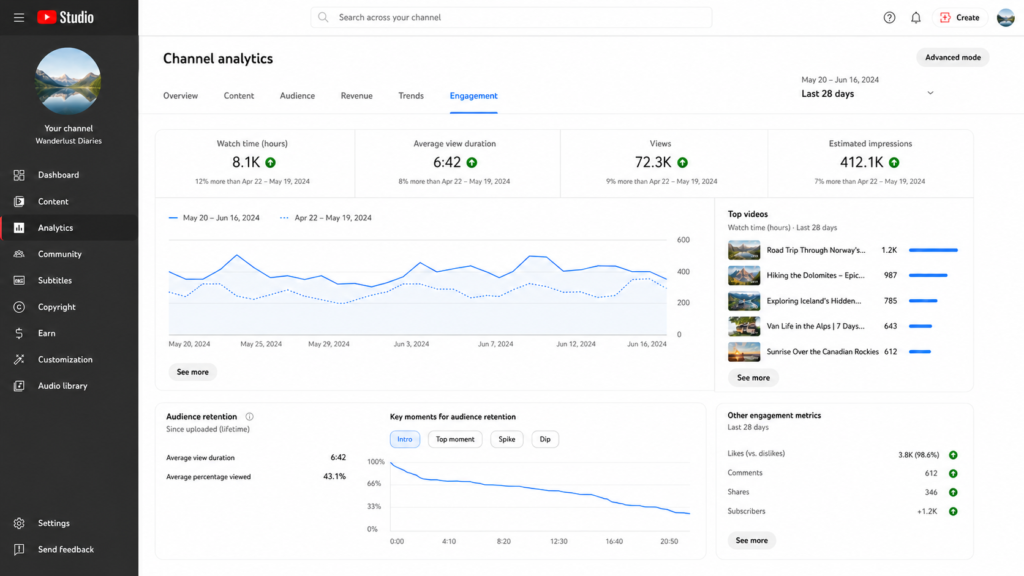
The average view duration figure sits in the Engagement section of YouTube Studio. For the final tally, the monetisation counter in the Earn tab is the one that matters, since general Analytics can include viewing that does not actually qualify.
This math exposes the real weakness in the new test. Eight thousand hours measures consumption. It cannot tell YouTube whether a video is thoughtful, accurate or useful, and the new target makes that gap impossible to ignore.
Why is YouTube doing this?
YouTube says it wants to reward consistent viewing and keep the platform sustainable. A higher threshold gives reviewers more evidence before a channel enters full revenue sharing.
However, on July 30, TCI reported on a Metricool study covering nearly 800,000 videos from more than 71,000 accounts, which found that views had risen between February 2025 and February 2026 while viewing duration, ad impressions, and estimated revenue all weakened. In the study’s long-form data, viewers were leaving around 2.5 minutes instead of the 4 minutes mark seen a year earlier, and those missing minutes also meant missed chances to trigger ads. An 8,000-hour bar could be YouTube’s answer to exactly that pattern.
There is also a flood of low-end, AI videos. For which, YouTube CEO Neal Mohan says the company is strengthening its systems against low-quality, repetitive AI content Though YouTube has not directly tied the 8,000-hour rule to AI.
Shorts have a new job
The 20-million-view requirement looks especially severe, yet YouTube continues to pour resources into Shorts. The format now averages more than 200 billion daily views. This makes it clear that Shorts help viewers discover a channel and Long videos, livestreams and podcasts give them a reason to stay.
TCI covered YouTube’s shorts to subscriber playbook where it discussed that a Short should link to a full video that answers the same question. The final five seconds should tell viewers why to click. Once they arrive, the longer video has about five to 10 seconds to deliver the promised payoff, and a slow logo sequence can waste the entire handoff.
YouTube said in 2024 that more than 80% of creators who entered its Partner Program through the Shorts threshold were also earning from at least one other YouTube feature. The 2027 rules give that conversion work much higher stakes.
If a channel relies mainly on Shorts, it indicates YouTube still wants the reach those clips create. It would also like that audience to watch something deeper, buy something, join a membership or become valuable to a sponsor.
The television fight behind the change
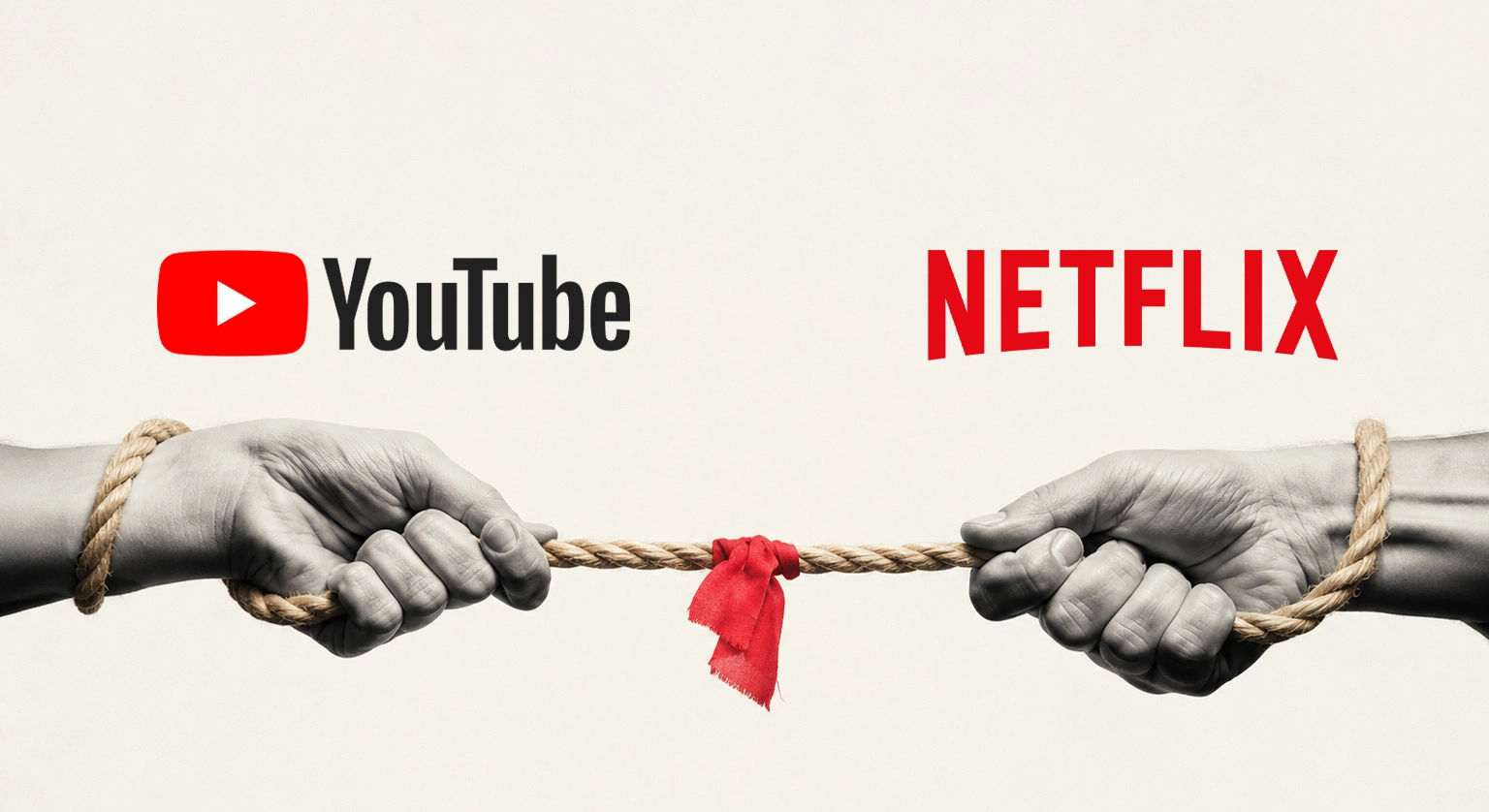
YouTube now competes for television time as it competes for phone screens. Viewers worldwide watch more than one billion hours of YouTube on television sets each day. Nielsen gave YouTube 13.4% of all US television viewing in April 2026, the largest share held by any media distributor.
Creators are adapting as many now produce talk shows, documentaries, and competition series with full crews.
Netflix and Samay Raina released India’s Got Latent Season 2 free on YouTube and on Netflix simultaneously and Netflix’s own framing was “a first-of-its-kind simulcast.” At the same time, Netflix is developing a separate, exclusive Raina comedy special that will only sit behind the subscription, no YouTube release planned.
No public evidence connects those Netflix deals to the new Partner Program thresholds. They reveal the larger contest instead. Netflix is importing people who already command online fandoms. YouTube is building a case that those creators can make television without leaving YouTube.
That future depends on habit. Someone who returns for a new episode can support a show, a subscription and years of advertising.
Advertising is moving higher up the ladder
YouTube is making full advertising access harder while opening other income sources earlier. More than 500,000 creators had joined YouTube Shopping by 2025, sponsorship tools are moving into YouTube Studio and Google Ads, and Premium Lite is expanding to every country where YouTube Premium already exists. YouTube says a Premium subscriber generated more creator revenue on average than an ad-supported one in 2026.
For a new creator, February now hangs over the calendar. Anyone who clears the current threshold and joins YPP before the change keeps the lower entry line, whether or not YouTube intended a rush.
The 8,000-hour bar will delay small and narrow-subject channels while favouring back catalogues, livestream audiences and longer watch sessions. Above all, it rewards return visits. YouTube already has plenty of videos. What it wants next is channels people choose twice.