YouTube is raising the bar for new creators while expanding monetisation opportunities for existing creators through subscriptions, Shorts incentives, and shopping.
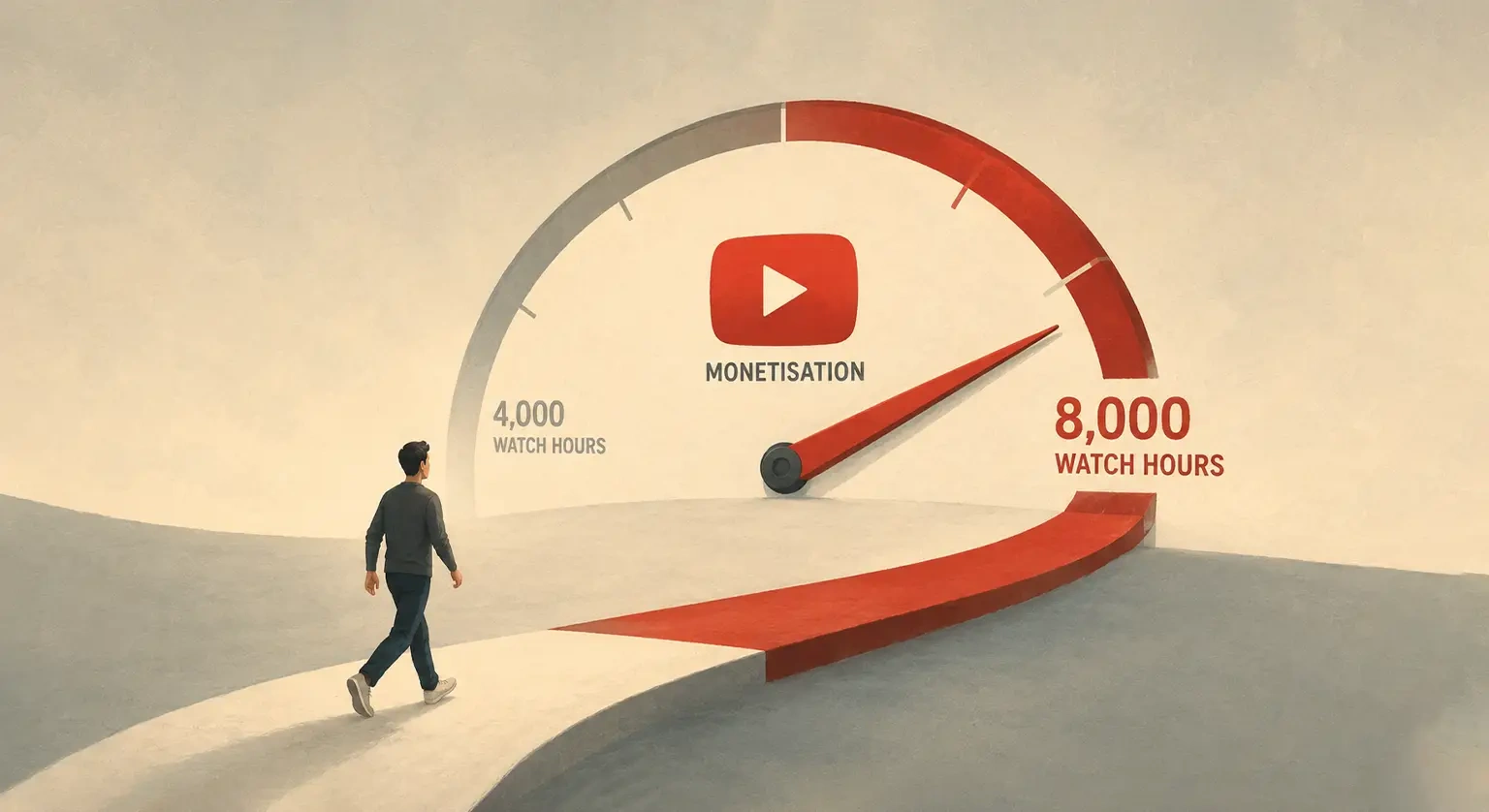
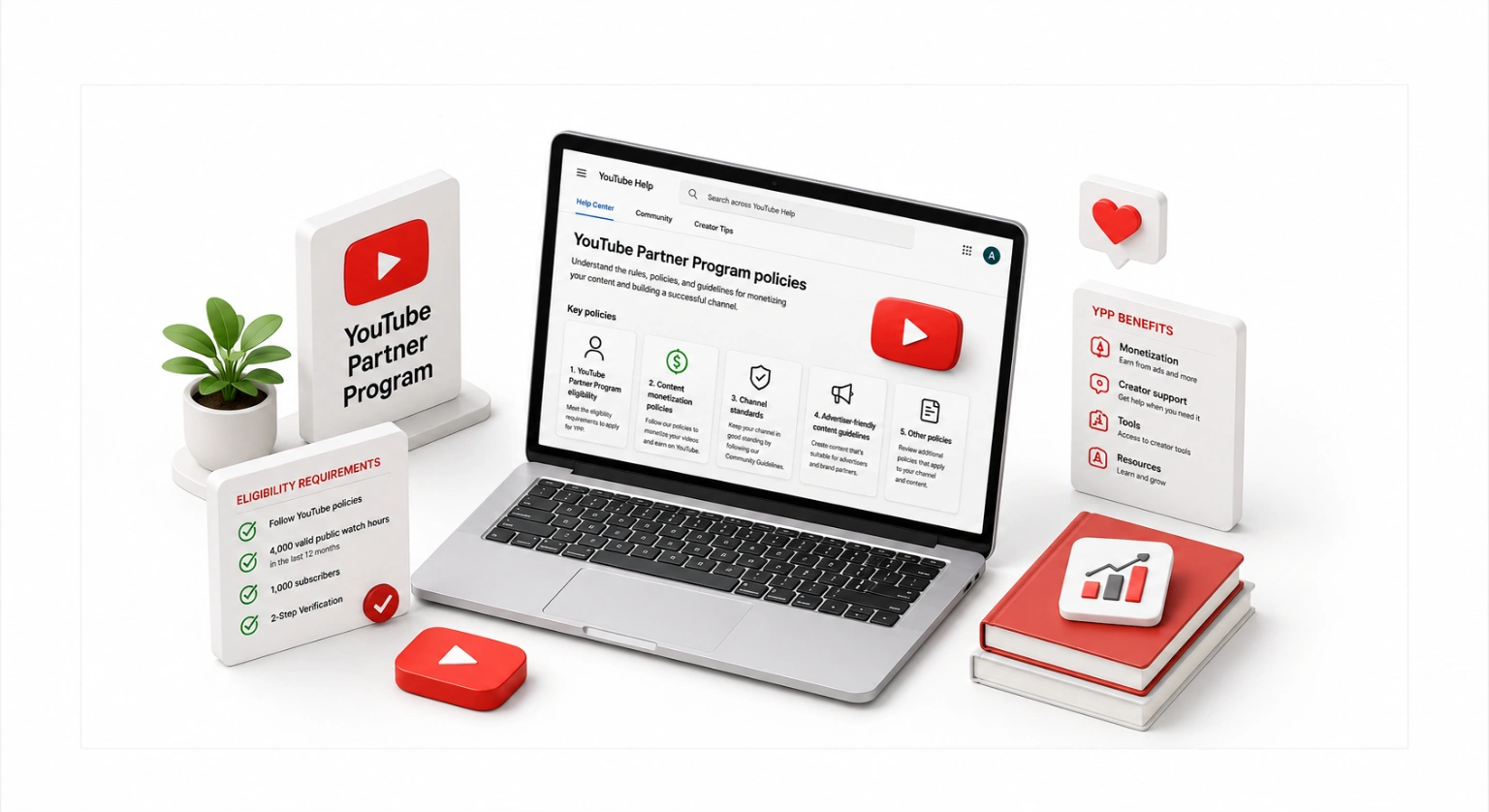
According to YouTube’s official blog, the platform will introduce changes to its YouTube Partner Programme Rules from February 1, 2027. New creators seeking access to advertising and YouTube Premium (YPP) revenue will need 1,000 subscribers along with either 8,000 qualified watch hours in the previous 365 days or 20 million qualified Shorts views in the previous 90 days.
The YouTube Partner Programme (YPP) is the monetisation programme offered by YouTube to eligible content creators. The programme enables creators to earn money through ads, YouTube Premium, channel memberships, Super Chat, Super Thanks, and other available monetisation methods.
This is the first major update to these rules since 2018. In its statement, YouTube said YPP currently has over 3 million creators and expects to pay creators more in 2027 than in 2026. The higher entry threshold suggests that YouTube is placing greater emphasis on sustained audience growth and creator activity rather than short-term viral performance.
What’s changing?
The first major change is the higher threshold for new creators seeking to earn revenue from ads and YouTube Premium. Currently, creators need 1,000 subscribers and either 4,000 valid public watch hours in the previous 12 months or 10 million valid public Shorts views in 90 days. As of February 2027, these figures will be increased to 8,000 hours or 20 million Shorts views.
The change will not affect creators who are already part of YPP, only the new creator. YouTube will also keep the lower requirements for fan funding and shopping features, thus allowing small creators to find another way to earn money.
Starting on February 1, 2027, creators will have to get 10 million views on qualified Shorts in the last 90 days in order to be able to continue earning money from Shorts ads and subscriptions.
Those who fall below this threshold will continue to participate in the YPP programme and will earn money from their long-form videos only. This does not affect channels that have fewer views because they will still be included in the programme. Creators will still be able to earn money from their eligible videos.

Premium Lite expands
YouTube has also expanded Premium Lite globally, where YouTube Premium is being offered. According to YouTube, creators will earn from Premium Lite subscriptions through a dedicated revenue pool. Sixty per cent of net Premium Lite subscription revenue is allocated to the creator pool before the applicable creator revenue share is calculated.
YouTube says creators earn more on average when users subscribe to Premium than when those users watch their content with ads.
What should creators do next?
For creators, the new thresholds make consistency even more important. Those planning to apply for YPP should focus on building watch time, short views, and subscribers before the February 2027 changes rather than relying on a single viral video.
For creators who have already created content, the effect will only be minimal since their qualification will remain unchanged despite the new qualification criteria. Creators who create shorts, on the other hand, will have to watch out for the 10 million-view requirement.
YouTube is attempting to make the creator economy less reliant on advertising alone. Through setting higher entry barriers alongside increased subscriptions, shopping, and incentive schemes, YouTube seems to be urging creators to engage and earn through different avenues other than views.