YouTube is testing local retailer matching for affiliate products and adding new controls for sponsored videos, including age and location restrictions and automatic disclosure labels.
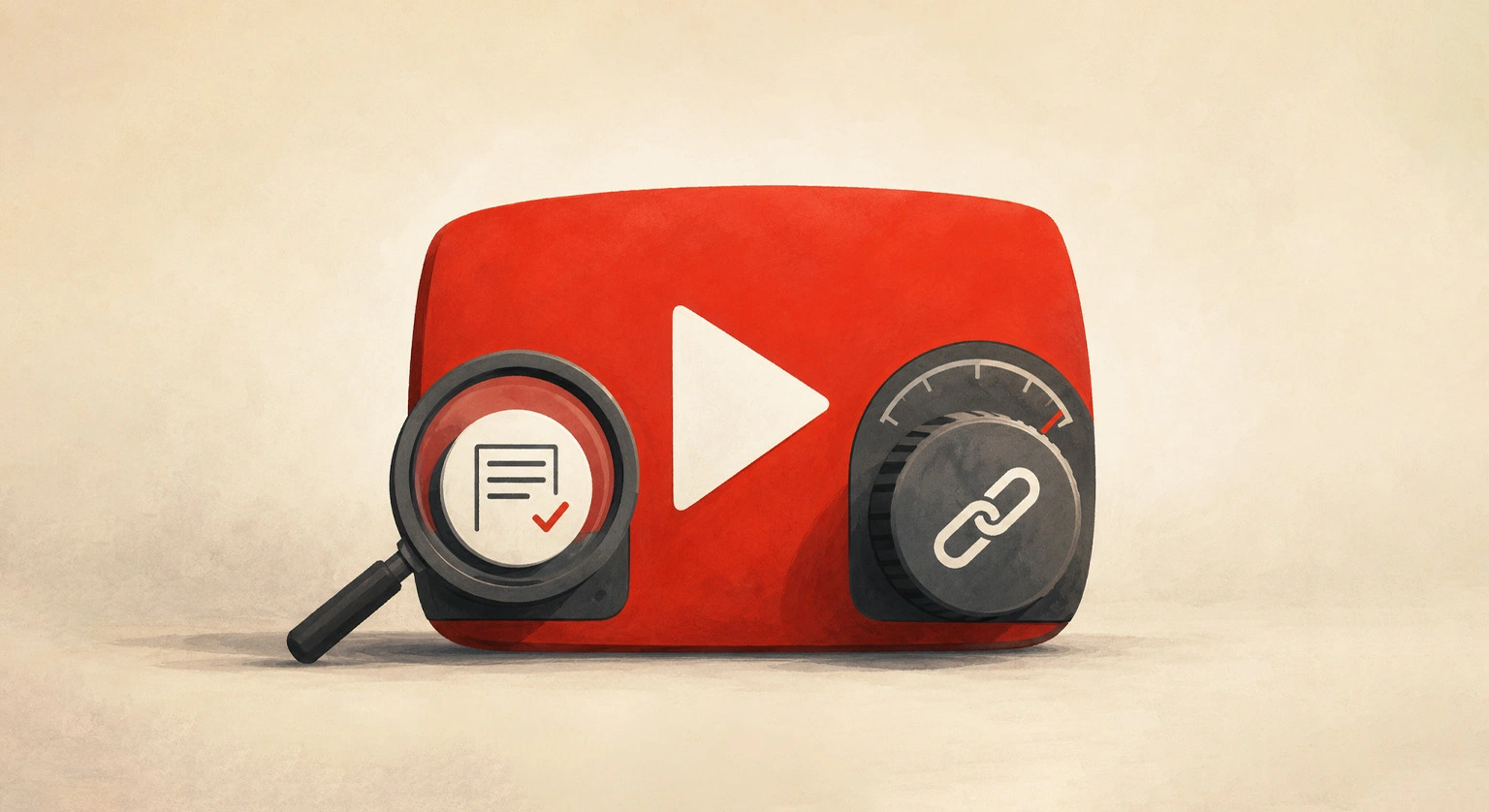
According to YouTube Help, the platform is changing how branded content and affiliate products are handled. The update covers a local retailer test for Shopping affiliate tags, a clearer paid-partnership label, audience restrictions for sponsored videos and automated checks for undisclosed promotions.
What YouTube is changing
YouTube is running a small test that may show viewers the same creator-tagged affiliate product from a different eligible local retailer. The product stays the same, but the seller may vary according to local availability.
YouTube says the test will help it measure whether selecting local merchants improves shopping performance. Better availability and shorter delivery times could increase sales and affiliate commissions, although the experiment does not guarantee either outcome.
The test applies only to affiliate product tags used through YouTube Shopping. It does not affect product tags on videos where the creator has enabled the Paid Product Placement setting.
Separately, YouTube is updating its branded-content disclosure label so viewers can identify paid partnerships more easily. Creators will also be able to set age and location restrictions on sponsored content, helping them meet campaign requirements across different markets. YouTube is also revising terminology in its paid product placement policy to align with current branded-content language.
YouTube may add disclosure labels automatically
YouTube is also introducing automated checks for newly uploaded videos. If its systems detect branded content that a creator has not declared, the platform may apply the disclosure label automatically. Creators and brands will still be responsible for meeting YouTube’s rules and any disclosure requirements that apply to their campaign.
What the changes mean for creators and brands
For creators who rely on affiliate marketing, local retailer matching could improve product availability for viewers, but it may also change which merchant appears next to a tagged product. Creators should watch their affiliate analytics to see whether the test affects clicks, conversions or commissions.

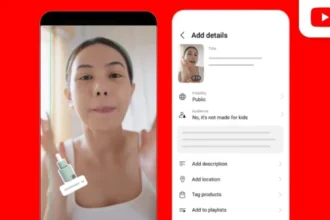

For sponsored campaigns, age and location controls could make it easier to work with brands that have strict audience requirements. Brands may need to confirm that a creator has access to the controls before including them in a campaign plan.
What creators should check before publishing
Creators should confirm that paid promotions are declared, review any age or geographic limits in the brand brief and check how affiliate products appear to viewers in different markets. Automated detection is a compliance backstop, and responsibility for disclosure remains with creators and brands.
For Indian creators working on international campaigns, the location controls may be useful when a sponsorship is limited to selected markets. The announcement does not say whether every feature is available in India at launch, so creators should check YouTube Studio before promising these controls to a brand.