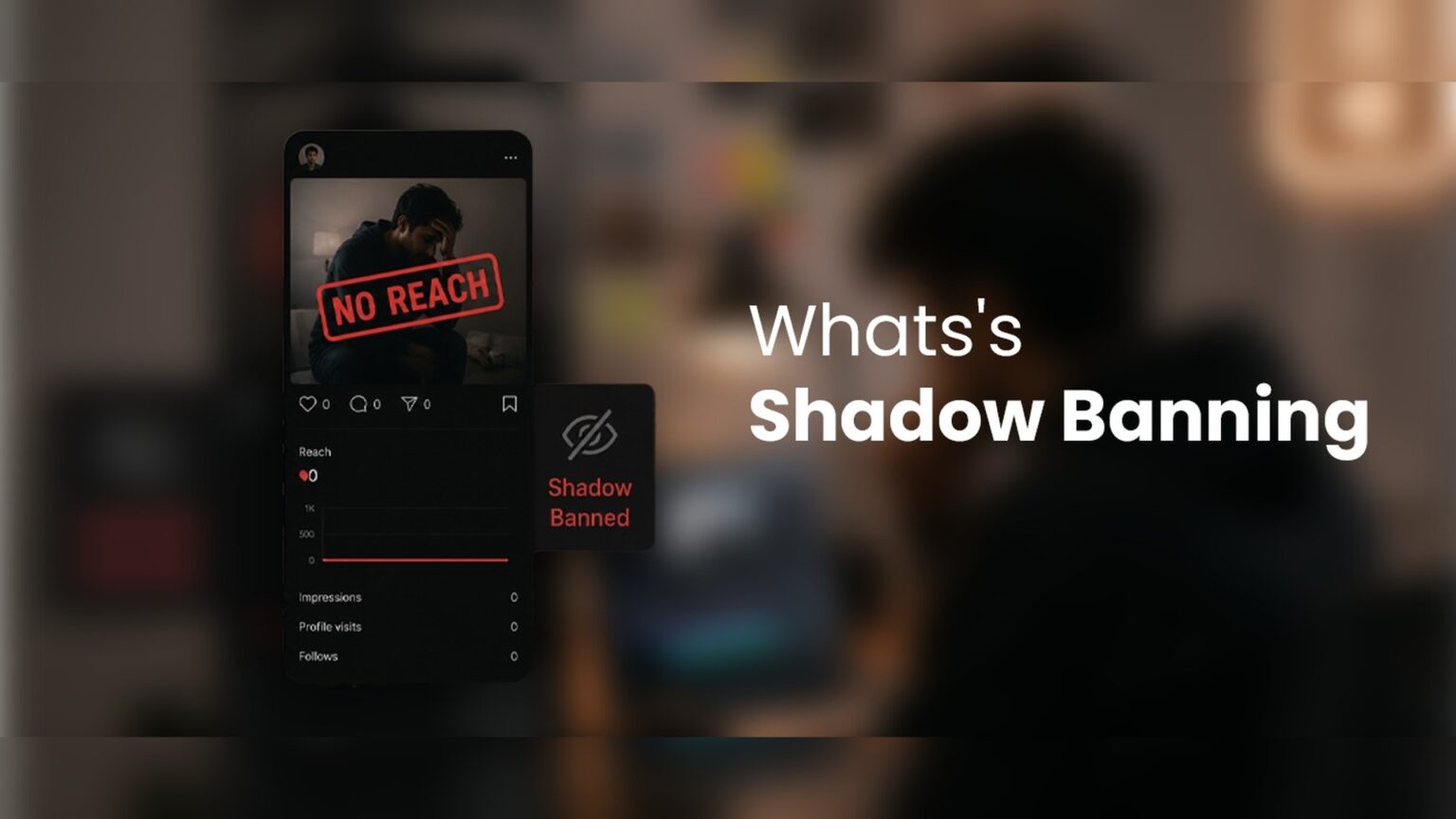
Shadow ban is the silent loss of visibility, occurring without any explanation or notice. The content remains live, but the network blocks it from pushing it to new people.
It affects an active creator who uploads a new reel daily, when suddenly a post struggles to reach even 200 views. There are no visible warnings or deleted posts because everything on the profile appears completely normal.
Yet, the content remains invisible to non-followers, failing to appear in Explore, Reels, or search results.
Does it actually exist?
Most platforms avoid the phrase entirely. Instagram’s head, Adam Mosseri, has very often pushed back on the term, insisting reach isn’t deliberately limited.
India has its own documented history of undisclosed reach limits, and of a related, more visible practice that raises the same transparency concerns. In 2018, writer and activist Madhu Purnima Kishwar said Twitter had directly informed her that her handle was under a shadow ban, after her daily follower growth suddenly flatlined.
How does it differ from a regular ban?
If an account is banned, the account gets suspended, the person is told why, and there is usually a way to appeal.
A shadow ban is silent, the profile stays active, posts stay published, and the creator often has no idea anything has changed.
A 2024 investigation by The Markup found Instagram accounts with sudden reach drops and no notification, even when content did not clearly break any rule.
What usually triggers it, and how to spot it
The main cause of shadow bans is using automation. Apps that automatically like, follow, or comment on posts can make your account look like a bot, which often leads to reduced visibility.

Banned or overused hashtags matter too, as does recycled content, since platforms increasingly favour original footage over reposted clips.
The clearest sign is a reach split: views suddenly come almost entirely from existing followers, with new accounts nowhere in sight. A creator can also post with a specific hashtag, then ask a friend on another account to search for it.
How long it usually lasts
Most restrictions are short, depending on the platform and cause, they typically clear within a few days to two weeks.
Repeated violations tend to stretch that timeline, and a creator who keeps triggering the same flag can see it reapply each time.
What this means for a creator
Usually, a shadow ban happens because you are trying too hard to grow too fast, such as by using bots, buying likes, or copying the same hashtags over and over. It is rarely because a creator breaks a rule on purpose.
Brands and talent managers should factor this into planning too. A campaign built entirely around one platform carries real risk if that account faces even a short, unexplained reach drop.
FAQs
Is shadow banning real or just a myth?
The mechanism is real, even though most platforms will not use the term. Independent research and leaked internal tools have both confirmed reach can be quietly reduced.
How is it different from an algorithm change?
An algorithm change affects everyone gradually. A shadow ban is sharper, hits one account specifically, and often has a clear trigger, like a flagged hashtag or automation.
Can it be permanent?
Most restrictions are temporary and clear within days to a couple of weeks. Repeated violations can extend that period.
Does using too many hashtags cause one?
Overused or banned hashtags can restrict a single post rather than the whole account. Using the same set on every post can also look like spam.
Is there a way to appeal to one in India?
There is no dedicated legal process for reach restrictions yet. Creators can raise a complaint with a platform’s grievance officer under the IT Rules, though this channel is designed for unlawful content, not visibility decisions.